The Girl Who Cried Myth
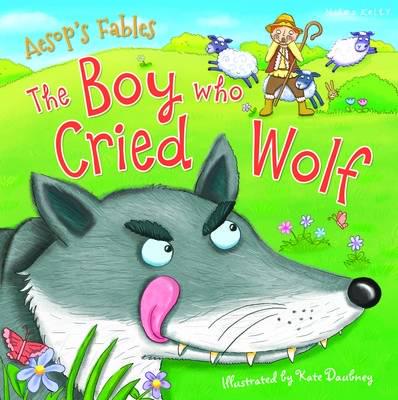
I've always loved myself a good myth. I thought that they used cute little theatrics to teach us good lessons. For example, "The Boy Who Cried Wolf," taught me from a very young age that lying was not okay because it ruins your credibility with other people. Those are the only myths I knew about really, the only ones that popped into my head.
When I heard I had to write a myth, I thought it was going to lean towards the easy side of things. Boy was I wrong. I had no idea how much history actually had to go with a myth, especially if you're basing it off something that already exists. I thought picking something I loved like Harry Potter might make it easy. However when it was time to actually put the myth together, I had to consider what already happens in the Harry Potter Universe. I couldn't just change everything and make it a whole different tale because that felt disingenuous. I figured creating the myth about a "why"and "how" to something in the universe was a better approach.
When I read myths, I figured that all the research was just something that was so rooted in a culture that everyone already knew about it and therefore just continued to add onto it. I also figured that some myths were just created out of thin air without a shadow of truth just to teach a lesson. I mean a boy who lies about a wolf eating the sheep twice and then the wolf actually eats them? It's kind of too perfect to be something real. The myths I had studied just looked so put together that I never bothered asking where it might have come from. I think I didn't give them the full respect they needed until it was time for me to try to create one. It's a lot of work.
For my future years in teaching, I think stressing the respect that a myth deserves is important. They're not just cute little theatrics to teach lessons how I first thought. I don't know how much someone in middle school might know about myths, but giving them the full story of the dedication that goes into making one is crucial. Some myths have even been passed on for so many centuries and there's a reason why they don't just disappear. They talk to the people who believe them either because of the "how" or "why" or even "who" might be in it.
Hello Giselle! I loved your response! I think a great aspect of myths is the morals that they teach! They inform societal morality. I liked your example of "The Boy Who Cried Wolf" and how it showed how a reputation could be ruined based on lies. I think that the creation of a myth was difficult because it required a high-level of critical thinking, especially if you chose something that already existed within a universe. I think your example of Harry Potter is a great example, especially, because it already has histories, ideologies, and beliefs of the author incorporated into it. You have to acknowledge that in order to create a cohesive myth within the lore of the Harry Potter world. I think the "why" and "how" approach is useful for the creation of myths as that in itself is asking the question, "What is my fundamental question." That question was a requirement of the assignment and you were trying to figure out how to incorporate it into your myth. I do think that myths deserve the upmost respect and there's a reason some myths are still preserved to this day, and that is because they are preservations of culture. I think as aspiring educators we forget sometimes that even the simplest or oldest information contains a myriad of things to analyze and that our job is to teach students how to interpret that information rather than teach them a simple lesson within a myth. These old myths talk about the creation of the universe, why and how things are the way they are. They are to be given the upmost respect as with other beliefs. -Rogelio Quiroga
ReplyDeleteHi Gabriela!
ReplyDeleteFirst off I want to say -- your blog is SO CUTE. I love the shade of pink, and the title for this post made me laugh. Based off your design choices and sense of humor, I'm not worried at all about what your future classroom will look like haha. :)
Your point about the use of repetition in The Boy Who Cried Wolf is something I was also thinking about, albeit not because of the same story. One of my favorite folktales, The Wolf and the Fox, is very repetitive as well. A wolf approaches a fox and every time he tells it: "get me something to eat or I will eat thee thyself." The story is a cautionary tale against gluttony, for the fox leads the wolf places and tells him to be careful or not to eat too much, which the wolf ignores and gets hurt for. I too did not think much about how repetition functions in this story until I had to write my own. Isn't writing funny like that? As English majors we have all the tools needed to work backwards, and most of us still find it so hard!
- Evan
Hey Gizelle! First of all, I wanted to say it was awesome working on you for the myth presentation. Your videos were a great inclusion, and your ideas were thoughtful, while also being full of insight. As for your post, I really resonated with the “The Boy Who Cried Wolf" example, as that was a story my mom would read to me when I was a kid to teach me the importance of honesty. I remember reading about your myth when we showed ours while working on our presentation, and seeing all the changes made and details added gives a lot more clarity to your vision as a creator. The creation process was also not easy for me, as myths are a medium I’m not really familiar with, and I understand your struggle. Overall, the lesson you learned is something of value, and I appreciated the morals they teach that reflects your experience!
ReplyDeleteHello Giselle,
ReplyDeleteI really like the way your blog is set up, and the titles are very creative, and the themes are on point! I also enjoyed the creativity and thought that went into your myth presentation. I agree that there is so much to deep dive into when it comes to myths its really fun learning how different cultures have their own myths as well as their own versions of each other's myths, which is crazy to think about how verbal storytelling was so widespread and many did not start off written. I agree that there seem to be common themes or questions asked that we are able to tell now when reading about myths. It is very informative, not only on culture but on history in general, and it really should be integrated into the classroom. Students won't be able to know everything, but having each student share what they learned spreads more information and helps them learn how to share information backed by research or facts. - Millie Z